Your shopping cart
😊 Product added to cart successfully
Product removed to cart successfully

Breed Traits & Characteristics
Health issues for the Chow Chow may include eyelid entropion, hip dysplasia, elbow dysplasia, allergies, and thyroid function. These issues may be minimized by health screening, responsible breeding, and regular health care and can be diagnosed and managed with veterinary care. Extensive and detailed information on the breed's health can be found on the website of the Chow Chow Club, Inc.
Patella Evaluation
Cardiac Exam
Ophthalmologist Evaluation
Both the rough- and smooth-coated Chows have a profuse double coat and require regular grooming. Thorough brushing at least twice per week and a monthly bath can keep the dog's skin and coat healthy. Be sure to immediately remedy any parasite issues, such as fleas or ticks. Include eye and ear care with each grooming, and trim nails regularly. Puppy coat and the coat around the head can become badly matted if not groomed regularly. Care must be taken to remove all mats and brush or comb through the undercoat. It is preferable to use a cool air dryer to thoroughly dry the Chow after a bath.
The Chow Chow is an active and alert dog with moderate exercise needs. The Chow requires daily walks and moderate play with toys, with minimal rough play or high-impact exercise. Avoid exercise during hot periods of the day, as the breed does not tolerate high heat or humidity well. A moderate-paced walk four or more times a day will help to keep Chow and owner happy and healthy, and doing activities together enhances the human-canine bond.
Early socialization and puppy training classes are recommended and help to ensure that the Chow grows into a well-adjusted, well-mannered companion. Patience and positive, consistent reinforcement are the keys to successful training. The Chow Chow is a very intelligent dog but can be stubborn. Harsh training methods are to be avoided in order to develop a trusting relationship. Patience, praise, and regular practice are the best tools to use with your Chow.
There are many excellent-quality commercial dry and wet dog foods available. Many owners choose to feed a low-grain diet. Regularly check the Chow's skin for any irritation or other signs of allergy, even if you have not changed the commercial diet, as dog food companies frequently change the formulas. Be aware that dog treats can also create allergy and digestive issues. Give table scraps sparingly, if at all, especially avoiding cooked bones and foods with high fat content. Learn about which human foods are safe for dogs, and which are not. Check with your vet if you have any concerns about your dog's weight or diet.
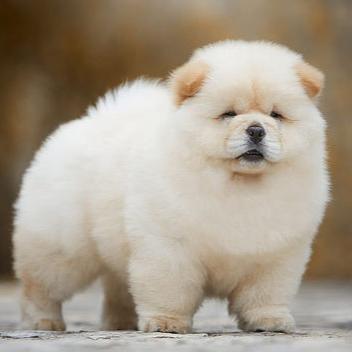
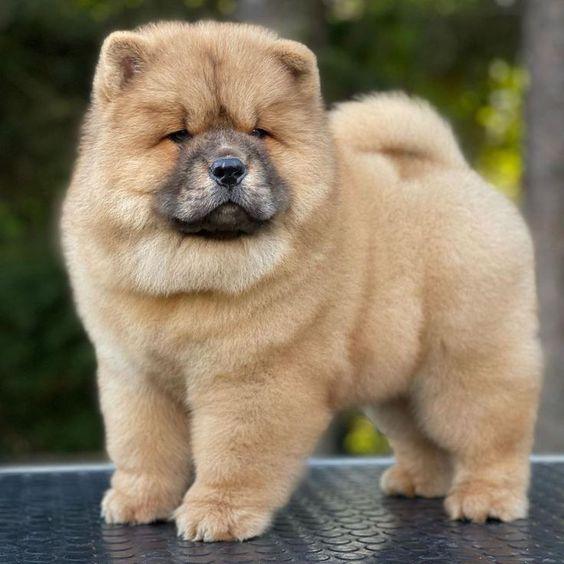
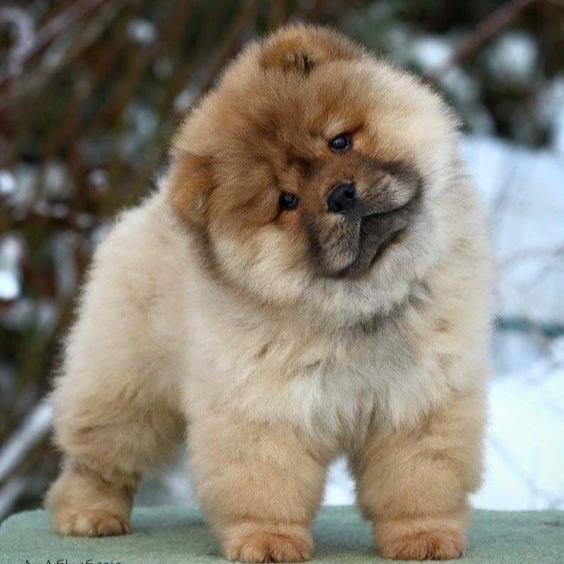
The Chow Chow, an all-purpose dog of ancient China, presents the picture of a muscular, deep-chested aristocrat with an air of inscrutable timelessness. Dignified, serious-minded, and aloof, the Chow Chow is a breed of unique delights.
|
|
|
|
|
Male |
Male |
Male |
|
Female |
Female |
Female |
Chows are powerful, compactly built dogs standing as high as 20 inches at the shoulder. Their distinctive traits include a lion's-mane ruff around the head and shoulders; a blue-black tongue; deep-set almond eyes that add to a scowling, snobbish expression; and a stiff-legged gait. Chows can have rough or smooth coats of red, black, blue, cinnamon, or cream. Owners say Chows are the cleanest of dogs: They housebreak easily, have little doggy odor, and are known to be as fastidious as cats. Well-socialized Chows are never fierce or intractable, but always refined and dignified. They are aloof with strangers and eternally loyal to loved ones. Serene and adaptable, with no special exercise needs, Chows happily take to city life.
Owning a dog is not just a privilege; it’s a responsibility. They depend on us for, at minimum, food and shelter, and deserve much more. When you take a dog into your life, you need to understand the commitment that dog ownership entails.