Your shopping cart
😊 Product added to cart successfully
Product removed to cart successfully

Breed Traits & Characteristics
Large and deep-chested breeds can develop bloat, a sudden, life-threatening stomach condition. Saint Bernard owners should learn what signs to look out for, and what actions to take should they occur. Other conditions sometimes seen in the breed include hip dysplasia and eye disease. A Saint can handle hot weather as long as he has a cool place to rest and lots of water, but going from air conditioning to high heat can cause serious distress.
Patella Evaluation
Cardiac Exam
Ophthalmologist Evaluation
Saint Bernards come in long-haired and short-haired varieties, but both types of coats require the same care. Weekly brushing will help to remove dirt and loose hair and keep the dog looking his best. Any tangles can be worked out with a slicker brush or metal comb. During shedding season, which occurs twice a year, brushing will become a daily activity. The occasional bath will keep the Saint looking and smelling fresh. As with all breeds, the nails should be trimmed regularly, as overly long nails can be painful to the dog and cause problems walking and running.
Despite being a large and powerful breed, the St. Bernard only requires a moderate amount of exercise. One long walk or half-hour play session per day should be enough to keep him healthy and happy. Of course, if his owner wants to take longer hikes, or go backpacking or on a camping trip, a Saint is always happy to go along. Saints often enjoy pulling young children in a cart, and some even participate in carting and drafting competitions. A Saint is happiest when he is doing activities together with his owner.
Early socialization and puppy training classes are recommended for all dogs, but are absolutely required for dogs as big and strong as a St. Bernard. Obedience training will help the Saint learn not to jump on people, knock into small children, steal food from the table, and otherwise take advantage of their size. Saints are kind-hearted and eager to please, so they generally start responding to commands as soon they understand what is expected of them. A Saint wants to be with his family, and undesirable behaviors can result if he is regularly left alone for long periods of time.
The Saint Bernard should do well on a high-quality dog food that ideally is formulated for large breeds, whether commercially manufactured or home-prepared with your veterinarian's supervision and approval. Any diet should be appropriate to the dog's age (puppy, adult, or senior). Some dogs are prone to getting overweight, so watch your dog's calorie consumption and weight level. Treats can be an important aid in training, but giving too many can cause obesity. Learn about which human foods are safe for dogs, and which are not. Check with your vet if you have any concerns about your dog's weight or diet. Clean, fresh water should be available at all times. Like many large breeds, the Saint Bernard can experience bloat, a life-threatening condition where the stomach distends and twists. The causes of bloat aren't fully understood, but experts agree that multiple, small meals per day and preventing vigorous exercise around mealtimes may help reduce the chances of it happening.


Welcome to Dav Pet Lovers, your go-to pet shop for finding the perfect Saint Bernard puppy for sale. Are you searching for a furry companion to add warmth and joy to your life? Look no further! Our adorable Saint Bernard puppies are waiting to become your loyal and loving family members.
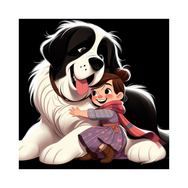
The Saint Bernard does not rank very high in registrations, but the genial giant of the Swiss Alps is nonetheless among the world's most famous and beloved breeds. Saints are famously watchful and patient companions with a fondness for children.
|
|
|
|
|
Male |
Male |
Male |
|
Female |
Female |
Female |
Not ranked particularly high in AKC registrations, this genial giant is nonetheless among the world's most famous and beloved breeds. The Saint's written standard abounds with phrases like "very powerful," "extraordinarily muscular," "imposing," and "massive." A male stands a minimum 27.5 inches at the shoulder; females will be smaller and more delicately built. The huge head features a wrinkled brow, a short muzzle, and dark eyes, combining to give Saints the intelligent, friendly expression that was such a welcome sight to stranded Alpine travelers.
Owning a dog is not just a privilege; it’s a responsibility. They depend on us for, at minimum, food and shelter, and deserve much more. When you take a dog into your life, you need to understand the commitment that dog ownership entails.