Your shopping cart
😊 Product added to cart successfully
Product removed to cart successfully

Breed Traits & Characteristics
The Tibetan Mastiff is a relatively healthy breed, and responsible breeders will screen their stock for health conditions such as elbow and hip dysplasia, hypothyroidism, and eye anomalies including entropion and ectropion. Seizures have been reported, but the issue is not prevalent in the breed.
Patella Evaluation
Cardiac Exam
Ophthalmologist Evaluation
Tibetan Mastiffs are double coated, with a heavy, wooly undercoat and coarse guard hair. They have a low-maintenance coat that requires minimal grooming during the majority of the year. A weekly brushing with a slicker or a long pin brush to remove surface dirt and the use of a wide-tooth comb on the tail, mane, and breeches to remove tangles are all that is required. TMs 'blow' their undercoat once a year in a massive shedding in late spring or summer. During this time, it is best to use an undercoat rake or de-shedding tool. According to the breed standard, TMs are to be shown naturally; no clipping or trimming is acceptable except to shape the feet and to give a clean appearance to the hocks.
Tibetan Mastiffs need daily moderate exercise, but it does not need to be in the form of an organized activity. TMs prefer to focus on work-related tasks, such as patrolling their territory, rather than structured play, such as chasing a flying disc or playing fetch. They are more active in cooler weather. They tend to conserve energy until needed, exhibiting only short bursts of activity, and lack endurance. They make good throw-rugs in winter, and air-conditioner vent covers in summer!
The dog is a very alert little dog of high intelligence. He is eager to please his humans and responds well to positive training practices. Chihuahuas seem well aware of how cute they are and learn how to get their way. From the very beginning you must enforce the fact that you are in charge. Never allow your Chihuahua puppy to do anything that will be unacceptable in an adult. They can have a bit of a 'terrier' temperament, so a firm but gentle hand is necessary when training. They can excel in obedience training and other canine sports.
The Tibetan Mastiff should do well on a high-quality dog food, whether commercially manufactured or home-prepared with your veterinarian's supervision and approval. Any diet should be appropriate to the dog's age (puppy, adult, or senior). Tibetan Mastiffs eat much less than expected for their size, as adults may only require two to four cups of a quality food per day. They only eat when they are hungry, and it is not uncommon for a TM to skip a meal altogether. When females are in season, males will often refuse to eat for a week or more and can lose as much as 10 to 15 percent of their body weight. Learn about which human foods are safe for dogs, and which are not. Check with your vet if you have any concerns about your dog's weight or diet. Clean, fresh water should be available at all times.The Tibetan Mastiffs do not require any kind of special diet.
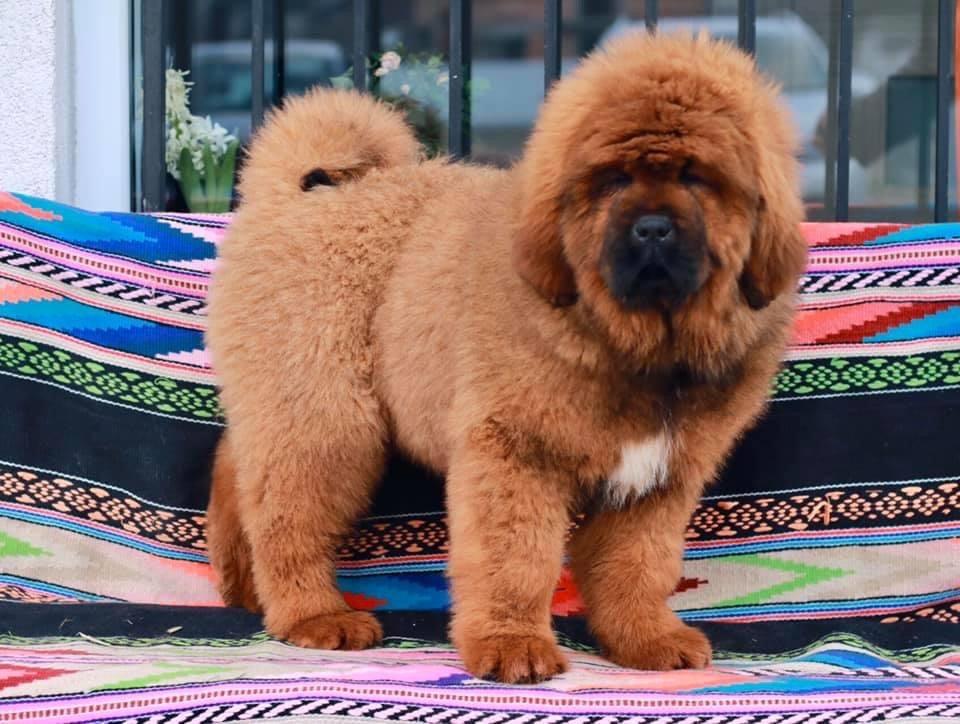
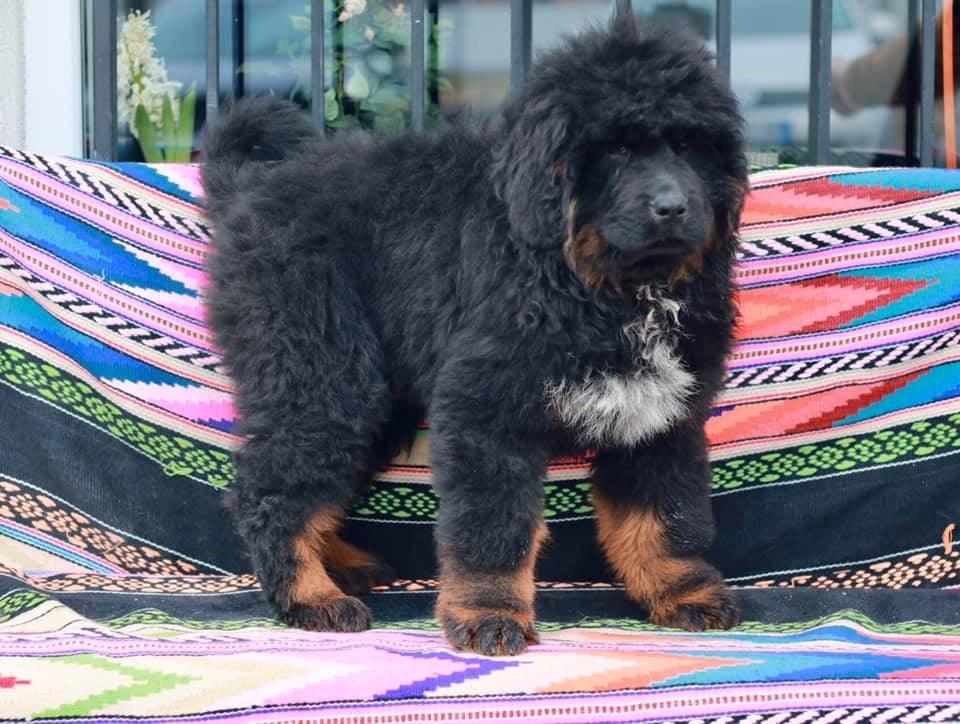
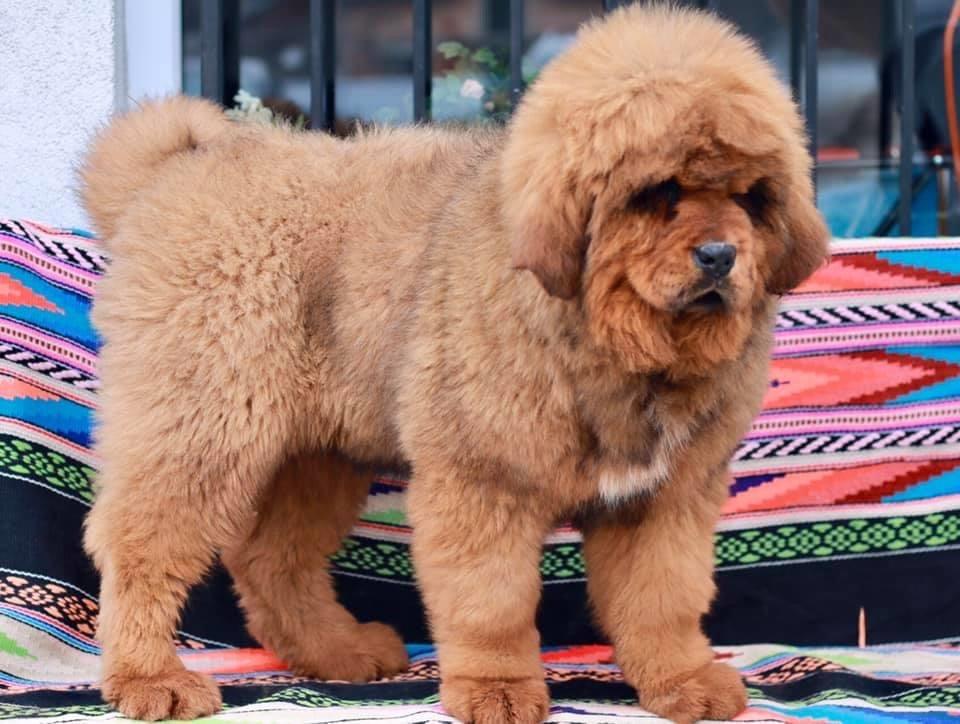
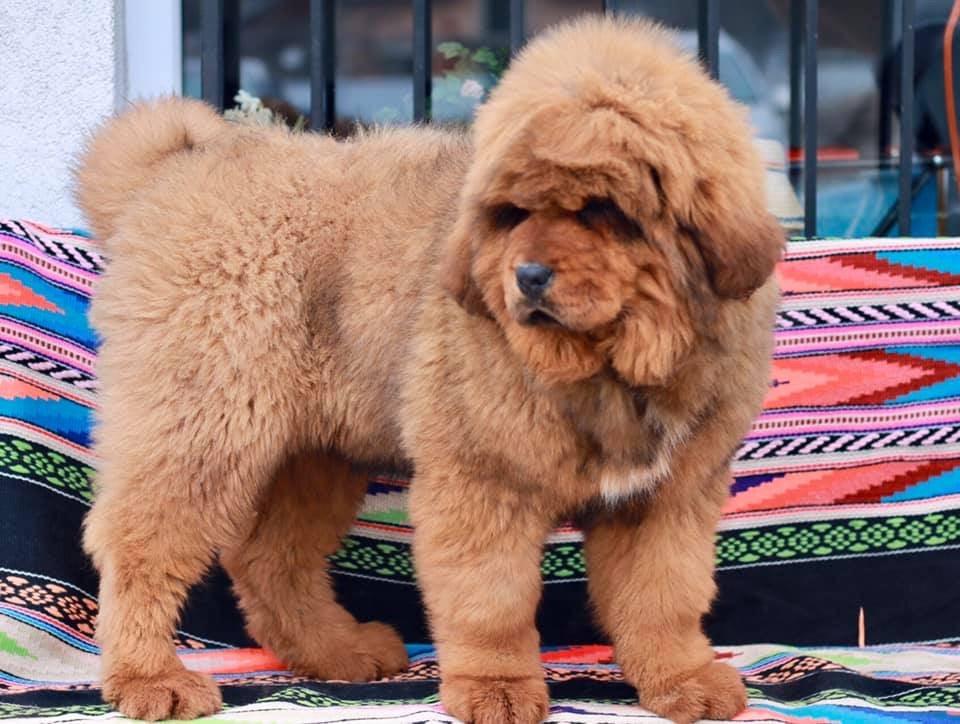
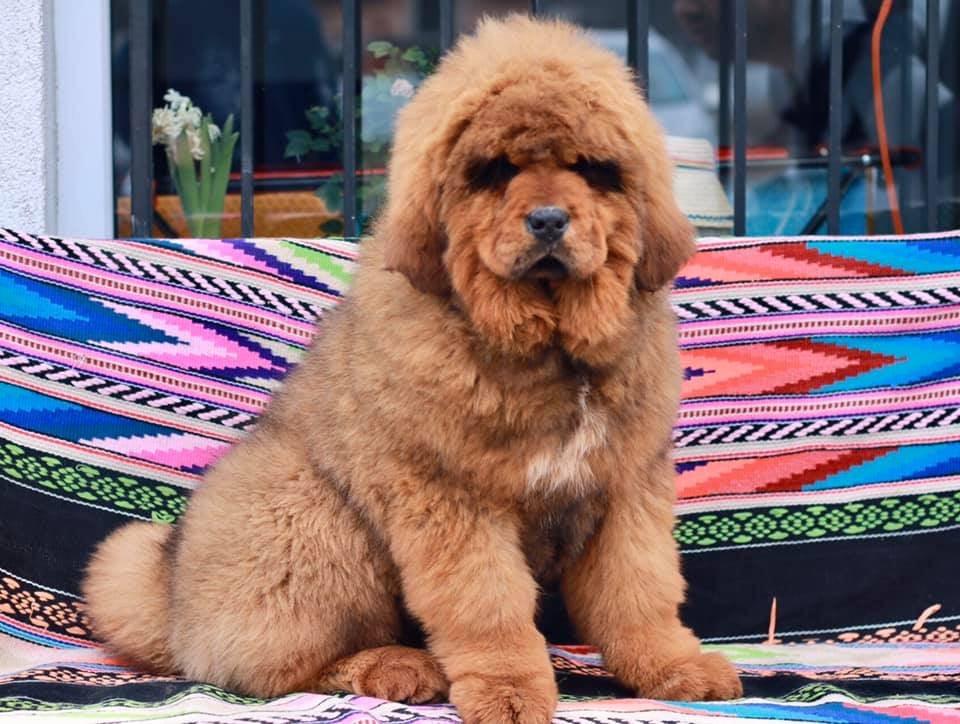
Watchful, aloof, imposing, and intimidating: The ancient Tibetan Mastiff is the guardian dog supreme. These densely coated giants are mellow and calm around the house, sweetly devoted to family, and aloof and territorial with strangers.
|
|
|
|
|
Male |
Male |
Male |
|
Female |
Female |
Female |
Coming face to face with this ancient behemoth, an intruder up to no good will likely move on to easier pickings. TMs can stand 26 inches at the shoulder and weigh well over 100 pounds. It's impossible to discuss this breed without leaning on words like 'powerful,' 'muscular,' massive,' and 'substantial.' And yet, TMs are quite light-footed and will meet a perceived threat with surprising agility. The broad head, with its high-set, V-shaped ears and expressive brown eyes, projects a noble, sagacious expression.
Owning a dog is not just a privilege; it’s a responsibility. They depend on us for, at minimum, food and shelter, and deserve much more. When you take a dog into your life, you need to understand the commitment that dog ownership entails.